









Gifting has never been easier
Perfect if you're short on time or are unable to deliver your gift yourself. Enter your message and select when to send it.
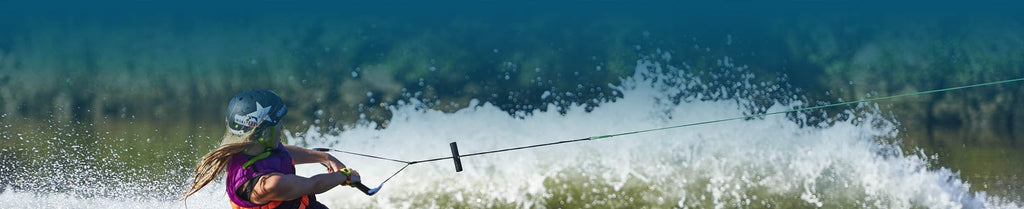
Wake helmets for the cable park and behind the boat — low-profile, draining shells that protect your head from obstacles, the board and hard water impacts. Most cable parks require one. Sized to fit, from Liquid Force, Follow and Triple 8.
A wake helmet protects your head from the three things that catch riders out: obstacles at the cable park, contact with your own board or another rider, and the hard slap of water when you land a fall from height or speed. It’s cheap insurance for your head, and it can be the confidence boost that lets you commit to a new trick. When you need one. Most cable parks require a helmet — you’re riding around fixed obstacles, kickers and rails where a knock is part of the deal. Behind the boat it’s optional, but worth it once you start going big in the air, where a hard landing or a clip from the handle or board can do real damage. What makes a water helmet different. A wake helmet isn’t a bike helmet. It sits low and close, and it’s built to drain — vents and channels let water flow straight through. A helmet that holds water gets heavy and can wrench your neck on a high-speed impact, which is exactly what a purpose-built water helmet is designed to avoid. Many also carry removable ear pads for impact and a bit of warmth. Fit. The helmet should sit level on your head, low at the front, snug all the way round with no rocking side to side, and the chin strap firm enough that it can’t shift in a fall. Wake helmets are sized in centimetres around the head, and many use adjustable pads or a dial to dial in the fit. Ear protection. Some helmets come with removable ear covers — worth having for the impact protection and to take the sting out of a hard sideways landing. Brands. Liquid Force, Follow and Triple 8 cover the range here, across open-face shells and styles with ear protection. Care. Rinse the salt or cable-park water out after a session and let it dry fully before storing, so the padding and shell last.
Sign up for exclusive deals, latest product drops and more, plus get a first-order discount.
