










Gifting has never been easier
Perfect if you're short on time or are unable to deliver your gift yourself. Enter your message and select when to send it.

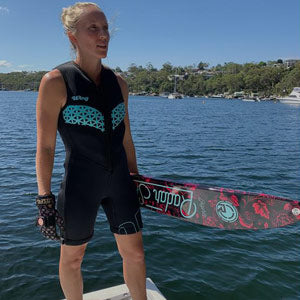
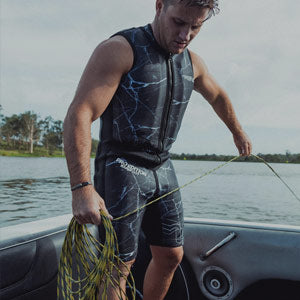
Womens wetsuits — springsuits, steamers and long sleeve cuts in womens-specific fit. Designed primarily for warmth and protection during towed water sports, with selected PWC-focused cuts for jet ski use. Multiple brands.
Why womens-specific. Womens wetsuits aren’t smaller mens wetsuits. The chest panel, shoulder line, waist taper and leg cut are shaped for womens body proportions. A wetsuit that fits properly traps a thin layer of water between suit and body, which warms to body temperature and insulates. A suit cut wrong flushes that warm layer and stops insulating. Fit is the whole game — and womens fit needs womens-cut suits. Suit types in this collection. Springsuits — short arms and legs (or short legs with long arms). 1.5-2mm neoprene. For warmer water — early summer through autumn. Maximum flexibility, minimum bulk. Steamers — full arms and full legs. 2-3mm or 3/2mm (3mm body, 2mm limbs). For cooler water — winter through early spring, or anytime the water’s cold enough to chill you. Most coverage, most warmth. Long sleeve springsuits — long arms with short legs. Middle ground — sun protection and arm warmth without the leg bulk. Neoprene shorts — note: actual wetsuit pants and shorts are a separate category. Some appear in this collection because of tag overlap; for the full wetsuit pants range see the Wetsuits Pants collection. Brand spread. Rip Curl is the depth brand here — multiple cuts across the Dawn Patrol and G-Bomb ranges. Jetpilot’s Flight and RX ranges include womens steamers and springsuits. Follow and Peak round out the spread. HO carries a Syndicate Dry-Flex that’s available in both mens and womens cuts. Towed sports vs PWC framing. Most of these are general towed-sports wetsuits — wakeboarding, waterskiing, wakesurfing, tubing in cooler water. Jetpilot’s RX cuts are PWC-focused with construction tuned for jet ski riding (seated wear, range of motion at the seat). Fit matters most. Snug when dry — neoprene moves more when wet. A loose wetsuit flushes water and doesn’t insulate; a too-tight wetsuit restricts movement. Between sizes, go down rather than up. Watch our How To Fit videos. Care. Rinse with fresh water after every use (salt, sunscreen, chlorine all degrade neoprene). Watch your fingernails — primary damage source. Never use harsh chemicals or fuels. Store on a wide hanger in cool dry place out of direct sun. UV ages neoprene faster than anything else.
Sign up for exclusive deals, latest product drops and more, plus get a first-order discount.
