








Gifting has never been easier
Perfect if you're short on time or are unable to deliver your gift yourself. Enter your message and select when to send it.

Three minutes on neoprene shorts. Everything below follows the video.
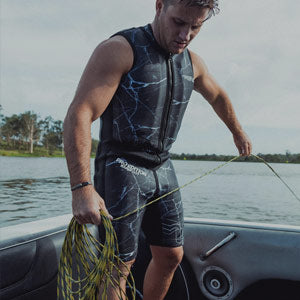
Neoprene shorts — wetty shorts, neo shorts, wetsuit pants, whatever you call them — are a must-have for towed water sports and for anything else out on the water. Water skiing, wakeboarding, surfing, jet ski: you want a pair for warmth, comfort and, most importantly, protection.
The job is easy to state. Stop water going places you do not want it to go.
There are a lot of shapes and styles on the wall, in mens, womens and kids. The difference that changes what you should buy comes down to one thing.
Leg straps, or no leg straps.
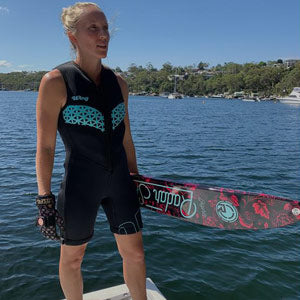
Leg straps — for water skiing. This is the pair we point skiers at, and they are usually the thicker 3mm neoprene.
No leg straps — for wakeboarding, surfing and jet skiing. Shorts without leg straps are perfectly fine for all three.
Get that right and the rest is fit, leg length and what you like the look of.

Water skiing pulls you up out of the water at a higher rate of knots, with more drag on you than the other tow sports. Water forces its way up through the legs of the shorts, fills them, and balloons them out around your legs. That is extra drag, and it happens while you are getting up.
Leg straps close the bottom of the leg off. They want to be nice and tight around the quads. That is what stops water getting up in the first place, and it is what stops the shorts filling and ballooning as you come out of the water.
They matter on the way down as well. If you are skiing at faster speeds and you come off, that is when you want a good pair of wetsuit shorts on.
Not from the video, but worth adding from our own fitting advice: neoprene shorts also keep your swimwear where it is meant to be during a fall. That applies to every towed sport, not just skiing.
Two main styles, and they map straight onto the decision above.
For wakeboarding and jet skiing. They give you that little bit of protection, and they stop the chafing on a jet ski.
The pair to focus on if you are skiing. Typically a little bit thicker, in 3mm neoprene.
For women the video is blunt about it — this is the most important bit of kit you are going to have on the water.
These have the leg straps, and they come in a couple of shapes:
Whichever shape suits you, the leg straps are the part doing the work. Water skiing pulls you up at a higher rate of knots with more drag, so you want the thicker neoprene and the straps together — stopping the water ballooning and filling the shorts, and stopping it going where you do not want it.
3mm neoprene pants with leg straps are the pair for water skiing.
If you are wakeboarding, surfing or on the jet ski, these are perfectly fine — and this is where the range really opens up:
Between the leg lengths and the two waist heights, most shapes and body types are covered. Browse the womens range.
Kids shorts come in a couple of different shapes and styles, but most of them have the leg straps, in the thicker 3mm neoprene.
Same rule as the adults: the straps want to be nice and tight around the quads. That keeps water from getting up into the shorts, and stops the pants filling and ballooning while they are getting up — water skiing or wakeboarding.
Not everyone wants that really tight-looking neo short. Ride shorts are the alternative: a board short with the neoprene underneath. You get the shape and the look of a board short, with neoprene doing the job.
Jet ski riders love them. They come in a bunch of different colours, in womens and mens.
Wetsuit shorts made for water skiing are typically a little bit thicker — that 3mm neoprene. It is not a separate feature from the leg straps, it is the other half of the same answer. Skiing pulls you up faster and with more drag than wakeboarding or jet skiing does, so you want the thicker neoprene for protection at those speeds and the straps to keep the water out.
Not covered in the video — this is our own care advice, and it applies to every piece of neoprene you own.
We keep a good neoprene cleaner in the shop if you want to do the job properly.
It depends on the sport, not on how good you are. If you are water skiing, yes — leg straps are the point of the exercise. If you are wakeboarding, surfing or jet skiing, shorts without leg straps are perfectly fine.
Water skiing pulls you up out of the water at a higher rate of knots with more drag, and water forces its way up through the legs of the shorts, filling them and ballooning them out. That is extra drag exactly when you are getting up. Leg straps close off the bottom of the leg so the water never gets in.
Nice and tight around the quads. That is the whole mechanism — a loose strap lets water up into the shorts and you are back to ballooning. It matters just as much on kids sizes as adults.
Water ski shorts are typically a bit thicker, in 3mm neoprene. Thicker neoprene plus leg straps is the pairing that handles the extra drag and the higher speeds that come with skiing.
They are still worth having. Standard wetty shorts without leg straps give you that little bit of protection, and they stop the chafing on a jet ski.
Womens neo shorts come in 2½ inch, 5 inch and 7 inch legs across different brands, plus high-waisted and low-waisted variants. These are coverage and shape options rather than performance ones - pick what suits you.
A board short with neoprene underneath. They give you the look and shape of a board short with neoprene doing the work, so they suit anyone who does not want a tight-fitting neo short. Popular with jet ski riders.
Rinse them in fresh water after every use, keep your fingernails off them, never use harsh chemicals or fuels, and store them cool, dry and out of direct sun.
Neoprene shorts are the base layer of a day on the water. If it is colder than shorts weather, the wetsuit range picks up from there — there is a full walk through heater tops, springsuits and steamers in the wetsuit breakdown. On hot days a rashy handles the sun. And everyone on the water needs a properly fitted life jacket over the top, whatever else you are wearing.
See the full wetsuit pants and neoprene shorts range, or come into the shop at Moorooka, Brisbane and we will get you into the right pair for the sport you are actually doing.
Waterskiers World — Australia's dedicated towed water sports retailer, family-run for over 20 years from our Brisbane store and online.
Sign up for exclusive deals, latest product drops and more, plus get a first-order discount.
