








Gifting has never been easier
Perfect if you're short on time or are unable to deliver your gift yourself. Enter your message and select when to send it.
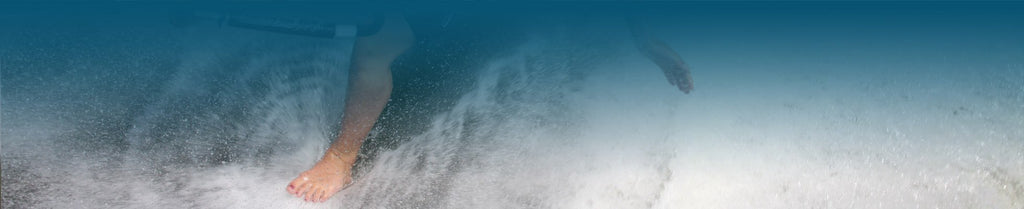
Barefoot suits built for the heavy falls of barefoot skiing — extra padded at the hips and bum, snug-fitting neoprene throughout, designed to stay on impact. Mens, womens and junior, from Wing, Williams and Sands.
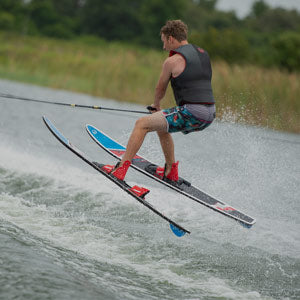
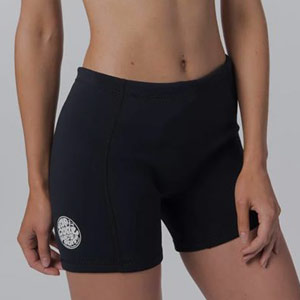
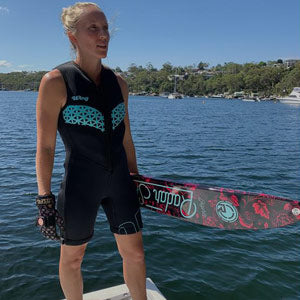
Barefoot skiing puts you in the water at 50-65 kph with nothing between your body and the surface. Falls come suddenly. A barefoot suit is built differently from a buoyancy suit or a wetsuit — extra padded at the hips, bum and thighs where you take the hardest hits, snug-fitting neoprene throughout that resists ripping off in a tumble, and reinforced seams that survive heavy loads. What sets a barefoot suit apart. A standard buoyancy suit gives flotation and warmth but isn’t built for repeated impact at high speed. A barefoot suit adds heavy padding panels in the impact zones — the hips, bum and inner thighs — and uses a tighter cut so the suit can’t ride up or twist under load. The neoprene is heavier-gauge in the high-wear areas, lighter and stretchier in the shoulders for movement through toe-hold positions. Reinforced crotch and seat panels stop seam blowouts on the bigger falls. Tournament jump suits. For 3-event barefooters running the jump ramp, jump suits add more padding still and use heavier neoprene throughout — built specifically for the ramp falls and trick falls that put the most load on a suit. Wing makes a dedicated jump suit in this category. Sizing. Barefoot suits are sized to be snug when dry. Neoprene stretches when wet, so a too-loose suit will move during a fall and provide less protection where you need it. If a suit is digging into the shoulders or pinching the crutch when dry, it’s a size too small; if there’s loose fabric anywhere, it’s a size too big. Check the brand’s size chart against your chest and weight, or bring it into the Brisbane store and try it on. Brands. Wing, Williams and Sands are the three Australian-focused brands here. All three make suits across mens, womens and youth sizing, with Wing also producing a junior fit for smaller riders. Pairing with shorts. Many barefooters layer barefoot shorts under the suit for extra padding through the hips, or wear shorts on their own for warmer-water sessions where a full suit is too much. Front-wrap and full-wrap padded shorts both work; full-wrap gives more coverage at the back.
Sign up to our mailing list so you don't miss out on exclusive deals, latest product drops and more.
Get the chance to Win Back your order!
