







Gifting has never been easier
Perfect if you're short on time or are unable to deliver your gift yourself. Enter your message and select when to send it.

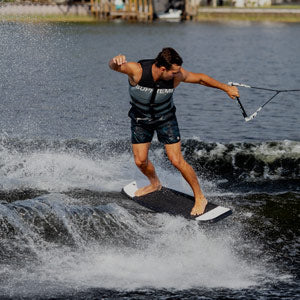
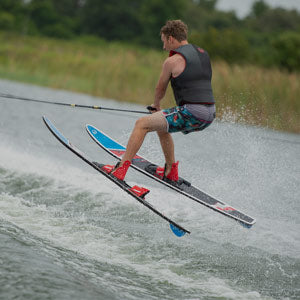
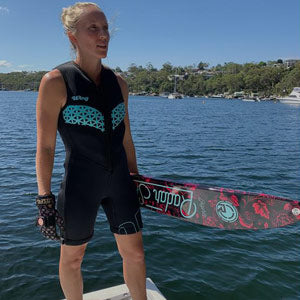
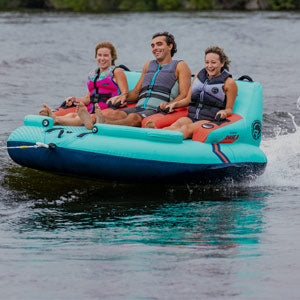
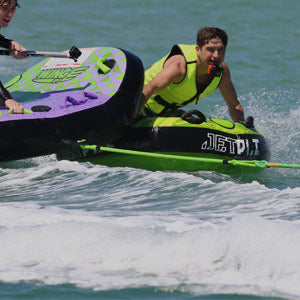
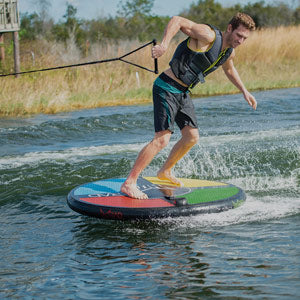
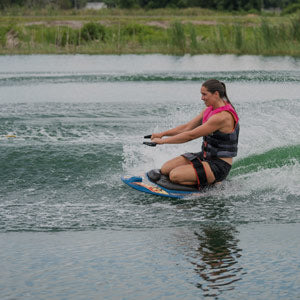
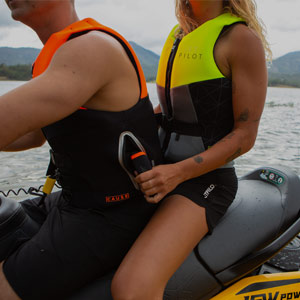
An Australian Standards approved life vest is a legal requirement for use in Australian waters across all towed watersports — waterskiing, wakeboarding, wakesurfing, kneeboarding, tubing, and jetski use. Waterskiers World stocks Mens, Womens, Kids, and infant life vests from Jetpilot, Follow, Rip Curl, Ronix, Radar, Wing, O'Neill, Williams, and Connelly, in L50S, L50, and L100 certifications. Choose the type that matches the water conditions and activity you ride in — our life vest buyer's guide walks through the differences.
A life vest is the legally required personal flotation device (PFD) for everyone on board or being towed behind a boat or jetski in Australia. The right vest depends on where you ride and what you ride for: certification class, fit, and construction all matter. Australian Standards life vests come in three certification classes. L100 (PFD 1) is the highest-buoyancy class, used for offshore and open-water conditions where rescue may take time. L50 (PFD 2) is approved for smooth, partially smooth, and open water, and is the common choice for jetski riders. L50S (PFD 3) is approved for smooth water only and is the standard choice for towed watersports — waterskiing, wakeboarding, wakesurfing, kneeboarding, tubing, and barefooting. L50 and L50S vests carry the same buoyancy. The difference is the water type each is approved for, not the level of flotation. Fit matters as much as certification. A vest that rides up under load or sits loose at the chest will not protect properly. Neoprene-shell vests sit closer to the body and suit towed watersports where mobility through tricks is important. Foam-shell vests are bulkier but offer more impact protection. Womens-cut vests are shaped differently to accommodate the bust line. Kids and infant vests are sized by weight as well as chest measurement. Brands at Waterskiers World include Jetpilot (wide range from recreational to RX Range), Follow (towed watersports specialists), Rip Curl (surf-influenced E-Bomb range), Ronix (wakeboard and wakesurf focus), Radar (water ski heritage), Wing (long-running Australian-made), O'Neill, Williams, and Connelly. Browse the full range online or visit the Brisbane store. See our Mens Life Vests, Womens Life Vests, and Kids Life Vests collections for filtered views.
Sign up to our mailing list so you don't miss out on exclusive deals, latest product drops and more.
Get the chance to Win Back your order!
